
Protecting our local waterways and the Western Port Biosphere
Key information

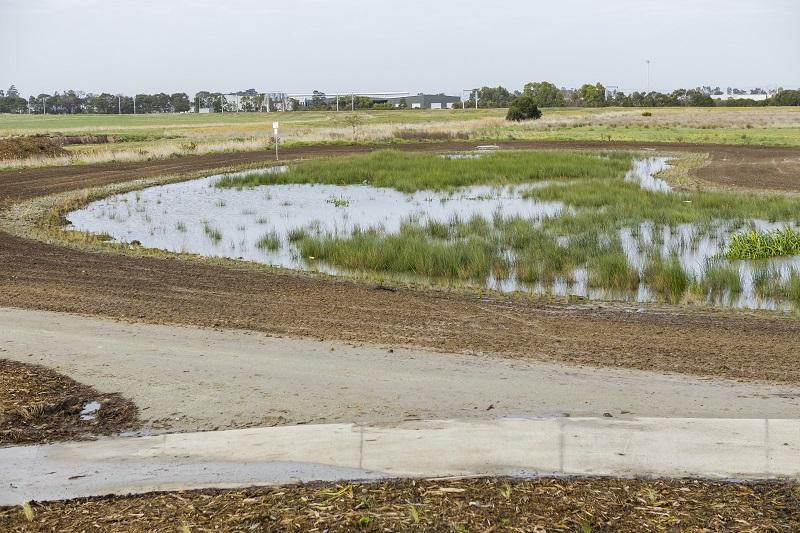
Cardinia Shire’s creeks, rivers and wetlands play a vital role in keeping our environment healthy and they all flow into the Western Port Biosphere Reserve.
Cardinia Shire is part of the Western Port Biosphere Reserve, a special area recognised by UNESCO for its outstanding environmental value and the way people live, work and care for the land alongside nature.
The Biosphere includes Western Port Bay, its coastline, wetlands, waterways and surrounding townships, including parts of Koo Wee Rup, Lang Lang and surrounding rural areas. What happens upstream in Cardinia Shire directly affects the health of the bay and its ecosystems.
From Catchment to Coast – photography submissions
As part of our upcoming Catchment to Coast exhibition, we’re inviting local photographers and community members to submit photos of our local waterways for potential inclusion.
Selected community photographs will be digitally featured in the exhibition, showcasing the places that matter to our community, which could include:
- Creeks, streams or rivers
- Wetlands
- Beach or coastline
- Dams or lakes
- Drains
- Puddles or areas of waterlogging.
Catchment to Coast will be on display at the Cardinia Cultural Centre from 23 July to 31 August 2026 and will explore how water moves through our shire
How to submit your photo
To take part, submit your photo via the online form. Each submission should include:
- One photo per entry (accepted file types: JPG, JPEG or PNG)
- The location and/or a brief description of the photo
- Your name
- An email address or phone number
- Your consent for the image to be used in the exhibition
Any submission chosen to be included will be contacted prior to the exhibition starting. Please note that this is not a competition and no prize, payment or award will be offered for participation.
Submissions will be open until 1 July 2026.
Terms and conditions
By submitting a photograph to the Catchment to Coast exhibition, you agree to the following terms:
Copyright and licence
You retain copyright of your image. By submitting your photograph, you grant Cardinia Shire Council a non-exclusive, royalty-free, perpetual licence to use, reproduce, publish and display the image in connection with the exhibition and for related promotional, marketing and educational purposes. This may include use in print and digital formats, including Council publications, website, social media and exhibitions.
Your responsibilities
By submitting an image, you confirm that:
- You are the creator and copyright owner of the photograph or have permission from the copyright owner to submit it.
- The image does not infringe the rights of any third party.
Private property
If your photograph includes identifiable private property, you confirm you have permission from the property owner where required.
Credit and attribution
Council will make reasonable efforts to credit photographers when their images are used. By submitting your image, you consent to your name (or nominated credit) being published alongside the photograph.
Image use and editing
Council may crop, resize or make minor edits to images for formatting and accessibility purposes, while maintaining the integrity of the original photograph.
Withdrawal
If you wish to withdraw your image from future use, you may contact Council. Please note that withdrawal may not apply to materials already published.
How we protect waterways
Council works with Melbourne Water, Western Port Biosphere Foundation, neighbouring councils, landholders and community groups to protect and improve local waterways and downstream environments.
Council’s work includes:
- Supporting projects that improve creek and river health
- Reducing pollution entering drains and waterways
- Protecting and and planting riparian vegetation
- Advocating for sustainable land use and responsible development
- Educating the community about how everyday actions affect water quality
Council also works in regional partnerships to ensure local priorities are reflected in long-term planning for Western Port and Port Phillip Bay.
Why our waterways matter
Council works with Melbourne Water, Western Port Biosphere Foundation, neighbouring councils, landholders and community groups to protect and improve local waterways and downstream environments.
Council’s work includes:
- supporting projects that improve creek and river health
- reducing pollution entering drains and waterways
- protecting and and planting riparian vegetation
- advocating for sustainable land use and responsible development
- educating the community about how everyday actions affect water quality
Council also works in regional partnerships to ensure local priorities are reflected in long-term planning for Western Port and Port Phillip Bay.
About the Western Port Biosphere
The Western Port Biosphere is an environmental treasure that benefits our community every day. Its natural systems help to:
- protect biodiversity, supporting thousands of bird species and marine life
- keep waterways healthy by filtering pollutants and reducing erosion
- protect coastlines and low-lying areas from flooding and storm impacts
- support local agriculture, fishing and tourism
- provide places for people to enjoy nature, recreation and wellbeing
- Mangroves, saltmarshes and seagrass beds play a vital role in maintaining the health of the bay and surrounding catchments, including the creeks and rivers that flow through Cardinia Shire.
Council continues this work through regional partnerships, on-ground projects and collaboration with the community across the Shire.
Do your part
By caring for our creeks, wetlands and coastline, we help keep the Western Port and Port Phillip Bay healthy.
Everyone has a role to play in protecting this special place.
Here are some simple ways you can help:
-
Keep litter out of drains and waterways
Everything that enters drains, creeks and rivers eventually reaches Port Phillip and Western Port. Dispose of rubbish properly and pick up litter when you see it.
-
Plant local native species
Choosing indigenous plants supports local wildlife and helps stabilise soil, reducing erosion and sediment entering waterways.
-
Manage weeds carefully
Invasive weeds can spread into creeks, wetlands and coastal areas. Remove weeds safely and check Council guidelines before disposing of plant material.
-
Reduce chemicals around the home
Garden chemicals, paints and detergents can wash into drains during rain. Choose eco-friendly alternatives where possible.
-
Scoop the poop
Pet and livestock waste contains bacteria that can harm water quality. Always pick up after your animals, even in bushland and reserves.
-
Stay on marked tracks when visiting reserves
Walking off-track can damage fragile vegetation, disturb wildlife habitats and increase erosion.
-
Join a local Landcare or environment group
Volunteer to help restore habitats, plant trees and protect native species. Every helping hand makes a difference.
-
Save water at home
Simple actions like fixing leaks, using rainwater tanks, cleaning septics, using water efficient appliances and limiting runoff help reduce pressure on local waterways.